
Road Safety Action International (RSAI)'s Awareness & Education Programme is designed to transform road user behaviour, strengthen institutional capacity, and build a culture of safety across West Africa. Across Liberia, Sierra Leone, and The Gambia, our programme delivers structured, evidence-based interventions aligned with the Global Plan for the Decade of Action for Road Safety 2021–2030 and the outcomes of the Marrakesh Ministerial Conference. We do not offer awareness alone — we build systems that sustain change.
Why Awareness & Education Matter
Road crashes claim approximately 1.19 million lives globally each year. In Africa, road fatality rates remain among the highest in the world, with significant gaps in enforcement, training, public awareness, and institutional capacity.
While infrastructure and legislation are critical, behavioural change and education are foundational pillars of the Safe System Approach. Laws are only effective when road users understand them, institutions are only strong when their personnel are trained, and communities can only protect themselves when they have the knowledge and tools to act safely.
Our programme bridges that gap.
Our Strategic Objectives
The Awareness & Education Programme aims to:
- Promote responsible road user behaviour among drivers, pedestrians, motorcyclists, and public transport operators.
- Strengthen institutional driver training systems across government ministries.
- Build youth leadership in road safety advocacy.
- Increase public understanding of key risk factors: speeding, drink-driving, helmet use, seatbelts, and child restraints.
- Support governments in meeting SDG Target 3.6 and global road safety commitments.
Core Programme Components
-
Public Institution Driver Training (PID)
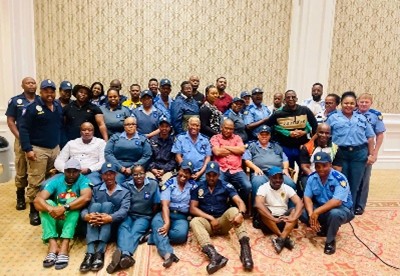
We train government drivers from key ministries to ensure defensive driving competence, understanding of crash causation and risk factors, safe vehicle handling and inspection, professional conduct and fleet responsibility, and emergency response basics. Strengthening driver competence within public institutions reduces crash risk, improves asset protection, and enhances government leadership in road safety.
-
Youth Road Safety Education & Clubs
Through school-based road safety clubs and structured curriculum support, RSAI educates students on safe road behaviour, develops peer-led advocacy champions, promotes safe walking and cycling practices, and integrates road safety into civic responsibility. Young people are among the most vulnerable road users globally — early education builds lifelong safety habits.
-
Community & Informal Transport Engagement
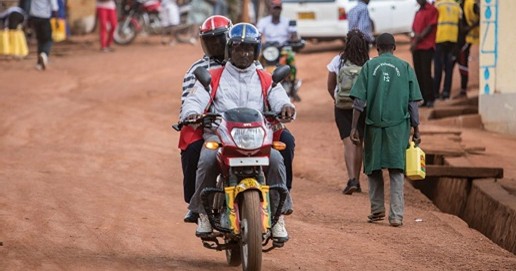
We work directly with motorcycle and tricycle operators, commercial transport unions, community leaders, and market associations through helmet advocacy campaigns, speed awareness sessions, practical demonstrations, and community dialogues. Nearly 21% of global road fatalities involve powered two- and three-wheelers, making targeted education in this sector critical for impact.
-
National Awareness Campaigns
RSAI designs and implements media campaigns (radio, television, digital), Road Safety Week events, data-driven advocacy messaging, and thematic campaigns aligned with global milestones. Campaign themes include speed management, helmet compliance, seatbelt enforcement, safe school zones, and post-crash response awareness.
-
Institutional Capacity Development
Beyond public awareness, we provide structured training for transport authorities, road safety agencies, enforcement personnel, and policy and advocacy officers. This includes policy literacy, crash data interpretation, behaviour change communication strategies, and programme monitoring frameworks.
Our Methodology
Our Awareness & Education Programme is built on four core principles:
Measurable Impact
We track:
- Number of drivers trained
- Schools engaged
- Youth leaders developed
- Operators reached
- Media campaign reach and engagement
- Institutional policy uptake
Our programme is not event-based — it is system-oriented and results-driven.
Alignment with Global Commitments
Our work directly contributes to:
- SDG Target 3.6 — Halve road traffic deaths and injuries by 2030.
- The UN Decade of Action for Road Safety (2021–2030).
- Strengthening national road safety management systems.
- Supporting legislative and behavioural reforms.
As emphasized in global road safety reports, countries that adopt and implement strong laws alongside public education and enforcement see the most significant reductions in fatalities.
Our Commitment
At RSAI, we believe that:
Every driver trained is a life potentially saved.
Every child educated is a generation protected.
Every institution strengthened is a system transformed.
Awareness is not a campaign.
Education is not a one-day event.
It is a sustained movement toward safer roads for all.
Partner With Us
We welcome partnerships with:
Together, we can build a culture where road safety is not an afterthought — but a national priority.